






 "ONLY WITH BEER CAN CHICKEN TASTE GOOD"
Beer: The Big Family
Beer is one of the world’s oldest beverages, brewed for thousands of years using four basic ingredients:
-
Water
-
Malted grains (usually barley)
-
Hops
-
Yeast
Within the beer family, there are two major categories:
-
Ales
-
Lagers
So when someone says they enjoy “beer,” they may actually be drinking either an ale or a lager.
What Makes an Ale Different?
Ale is brewed using top-fermenting yeast, typically at warmer temperatures between 60°F and 75°F. This fermentation process is usually faster and produces beers with richer aromas and fuller, fruitier flavors.
Common characteristics of ales include:
-
Fruity or spicy notes
-
Fuller body
-
Strong aroma
-
Complex flavor profiles
-
Slightly sweeter finish
Popular ale styles include:
-
Pale Ale
-
India Pale Ale (IPA)
-
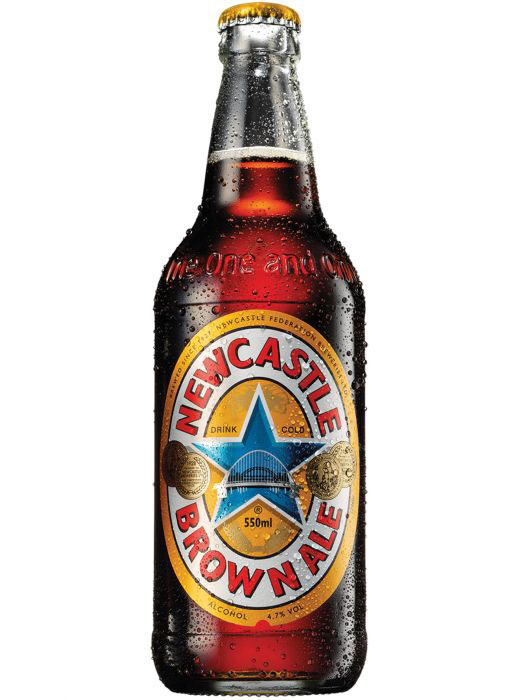
Brown Ale
-
Porter
-
Stout
-
Belgian Ale
What About Lager?
Lagers use bottom-fermenting yeast and ferment at colder temperatures, usually between 45°F and 55°F. The colder, slower fermentation produces a cleaner, crisper taste.
Typical lager characteristics include:
-
Smooth, clean flavor
-
Light to medium body
-
Crisp finish
-
Lower fruitiness
-
Refreshing drinkability
Many of the world’s best-selling beers are lagers, including American light beers and traditional European pilsners.
Flavor Differences
One of the easiest ways to understand the difference between ale and lager is through flavor.
Ales often taste:
-
Richer
-
Fruitier
-
More bitter or robust
-
More layered and complex
Lagers often taste:
-
Cleaner
-
Crisper
-
Smoother
-
More refreshing
For example, a stout ale may carry flavors of chocolate and coffee, while a pilsner lager may emphasize light malt and floral hops.
Brewing History
Historically, ales were more common before refrigeration existed because warm fermentation was easier to manage. Lagers became more popular after advances in cold storage and brewing technology in the 19th century.
Today, both styles dominate different parts of the beer world:
-
Craft breweries often experiment heavily with ales.
-
Large commercial breweries commonly produce lagers for mass appeal.
Which One Is Better?
Neither style is objectively “better.” It depends entirely on personal taste and the occasion.
You may prefer an ale if you enjoy:
-
Bold flavors
-
Strong hop character
-
Dark roasted notes
-
Craft beer experimentation
You may prefer a lager if you enjoy:
-
Crisp refreshment
-
Smooth drinkability
-
Mild flavors
-
Easy pairing with food
Many beer enthusiasts enjoy both depending on the season, meal, or mood.
Final Thoughts
The easiest way to remember the difference is this:
-
Ale = warm fermented, fruity, complex
-
Lager = cold fermented, crisp, clean
Both belong to the larger family of beer, and each offers its own traditions, flavors, and brewing artistry. Whether you enjoy a rich stout ale by the fireplace or a cold lager on a summer afternoon, beer culture continues to offer something for nearly every palate.